
Light Variance

Understanding the Influence of Light on Human Behavior

Light is more than just a medium that helps us see. It is a powerful, omnipresent force that impacts everything from our sleep cycles to emotional regulation and work performance. LED lighting, in particular, allows unparalleled control over light temperature, intensity, and color, making it an ideal tool for influencing psychological states.

If you’ve ever felt oddly calm under a blue light or suspiciously motivated in a brightly lit office, you’re not imagining things. It’s science. Let’s walk through the core principles of how colored LED light affects the human psyche and how you can strategically apply it in real-world scenarios.


Section 1: Light, Color Temperature, and Circadian Rhythm

We begin with the basics: color temperature.

  • Warm Light (2700K – 3000K): Mimics the soft glow of a sunset. Encourages relaxation and calmness. Great for winding down after a long day or for cozy spaces like lounges or reading nooks.
  • Neutral Light (3500K – 4100K): A balanced white light. This is often used in offices, classrooms, and retail because it reduces eye strain and improves visibility without triggering hyper-alertness.
  • Cool Light (5000K – 6500K): Think bright daylight. This light stimulates alertness, focus, and wakefulness. Excellent for task-oriented environments, but please, don’t put this in your bedroom unless you want to become nocturnal.

Instruction Tip:

When designing for productivity, aim for cool lighting during the day and shift to warmer tones in the evening to support natural circadian rhythms.


Section 2: The Psychological Effects of Specific LED Colors

Colors can speak. Not in a whisper, but with a distinct personality. Here are the psychological profiles of common LED hues:

  1. Blue LED Light
    • Boosts alertness and concentration
    • Suppresses melatonin production (don’t use before bed unless you enjoy insomnia)
    • Often used in offices, classrooms, and fitness spaces
  2. Red LED Light
    • Stimulates energy, passion, and intensity
    • Can elevate blood pressure and quicken pulse
    • Best used in moderation, too much red, and you might accidentally start a revolution
  3. Green LED Light
    • Soothing and balancing
    • Associated with nature, growth, and healing
    • Ideal for waiting rooms, spas, and meditative areas
  4. Yellow/Amber LED Light
    • Warm, cheerful, and inviting
    • Encourages optimism, but may strain the eyes if too saturated
    • Best for accent lighting in social settings or creative spaces
  5. Purple/Violet LED Light
    • Inspires creativity and mystery
    • Often associated with luxury and spirituality
    • A wildcard light: use it sparingly to avoid turning your office into a night club

Quick Note: If your lighting scheme resembles a disco, you’re doing it wrong. Unless you’re designing for a disco. Then, well, carry on.


Section 3: Strategic Lighting for Productivity Zones

It’s one thing to understand the psychology of light, and quite another to apply it with precision. Here’s how to deploy LED lighting based on room functionality:

1. Workspaces

  • Use cool white or blue-tinted LEDs
  • Ensure consistent brightness (300-500 lux minimum)
  • Integrate dimming features for flexibility throughout the day

2. Creative Studios

  • Combine neutral white with accents of purple or yellow
  • Use adjustable color LEDs to support different moods during creative phases

3. Meeting Rooms

  • Go for neutral or warm white light
  • Use green accents for calm and cooperation
  • Avoid harsh overhead lights; opt for diffused panels

4. Break Rooms & Lounges

  • Favor warm tones to promote relaxation
  • Include a splash of amber or soft green

5. Retail and Customer Zones

  • Highlight key areas with focused white or yellow LEDs
  • Use color tuning for seasonal or thematic flexibility

Lighting Hack:

For high-traffic areas, combine ambient LED light with targeted task lighting. It creates depth, visual interest, and makes your space look way more expensive than it probably is.


Section 4: Mood-Based Lighting Cycles

You don’t have to be stuck with one lighting setup all day. Dynamic lighting is the new frontier.

Example: Office Lighting Cycle

  • 8:00 AM – 10:00 AM: Cool daylight (helps combat early morning grogginess)
  • 10:00 AM – 2:00 PM: Bright neutral (maintains focus)
  • 2:00 PM – 4:00 PM: Slightly warmer (reduces strain as energy dips)
  • 4:00 PM – 6:00 PM: Dim warm (preps the body to relax after work)

This cycle keeps employees engaged while also protecting their eyes and melatonin levels. And yes, your intern will appreciate not being blinded after 5 p.m.


Section 5: LED Lighting Mistakes to Avoid

Now for the oopsies. These common blunders can sabotage all your good intentions:

  1. Overuse of Blue Light: Especially in home or relaxation zones.
  2. Mismatched Color Temperatures: Creates visual tension and mental fatigue.
  3. Glare and Flicker: Poor-quality LEDs may flicker (visible or invisible), causing headaches and eye strain.
  4. Ignoring Dimming Capabilities: Static lighting is so last decade.
  5. One-Size-Fits-All Installations: Every room needs its own strategy. Lighting your kitchen like a hospital? That’s a no from us.

Pro Tip:

Always test the lighting in real conditions. LEDs might look one way on the box and another when they hit your avocado-green wall. (It happens.)


Section 6: Measuring Impact and Fine-Tuning

Even lighting plans need iteration. Once you’ve installed your LEDs:

  • Survey employees or users about comfort and mood
  • Track productivity or time-on-task metrics (if applicable)
  • Use smart lighting systems for remote control, automation, and data collection
  • Revisit color and brightness settings quarterly, or whenever the vibe gets weird

Final Thoughts: Shine Responsibly

LED lighting provides us with an extraordinary opportunity to create environments that support our minds and bodies. By understanding how color influences emotion and function, we can create spaces that are not only beautiful but brilliantly intentional.

So go forth and illuminate, with precision, creativity, and just a dash of flair.

And remember: light might not solve all your problems, but it will make them look better.
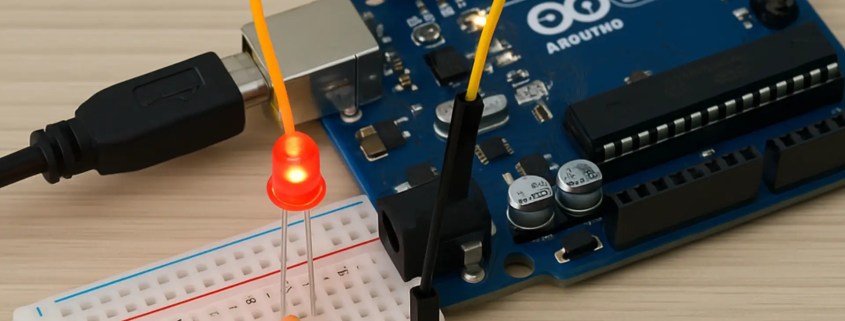
A Practical Guide for Hobbyists, Tinkerers, and Occasional Solder-Smellers


Introduction

If you’ve ever laid eyes on a blinking LED and thought, “I could do that,” – well, you’re right. And you absolutely should. The single-LED project is an electrifying rite of passage in the world of electronics. Whether you’re a fresh-faced beginner or a solder-stained veteran, this project remains the humble yet mighty launchpad for mastering circuits, coding, and the occasional bout of component-induced frustration.

This guide walks you through the how-to, the why-it-matters, and the “uh-oh” moments – because we’ve all accidentally installed an LED backwards and lived to tell the tale.


Objectives

Upon completing this project, you will:

  • Understand the basics of an electronic circuit.
  • Grasp polarity and how to avoid reverse-engineering disasters.
  • Master the use of resistors (not just as confetti).
  • Learn to write and upload simple code (Arduino-style).
  • Make one single LED blink like it’s 1999.

Also, there might be a point where you raise your hands in victory and whisper, “It’s alive,” à la Frankenstein. That’s encouraged.


Required Components

Let’s keep it classic and fuss-free. Here’s what you need:

Hardware

  • 1 x LED (any color, but red makes you feel 20% more scientific)
  • 1 x Resistor (220Ω to 330Ω recommended)
  • 1 x Breadboard (aka your electronic sandbox)
  • Jumper wires (your colorful friends)
  • 1 x Arduino Uno (or compatible board)
  • 1 x USB cable (for connecting your dreams to your laptop)

Software

  • Arduino IDE (free, friendly, and surprisingly forgiving)

Step 1: Know Your LED

An LED (Light Emitting Diode) is like a diva – it shines bright but only on its terms. That means polarity matters.

  • Long leg = Anode (positive)
  • Short leg = Cathode (negative)

If you wire it backwards, it won’t explode (phew), but it’ll just sit there in silent rebellion.


Step 2: Circuit Assembly

Here’s where we make the magic happen. Follow this order like a recipe:

  1. Insert the LED into the breadboard. Place the anode and cathode on separate rows.
  2. Connect a resistor from the cathode (short leg) to the GND (ground) rail on the breadboard.
  3. Wire the anode to pin 13 on the Arduino. This pin has a special talent – it can blink an LED without even needing code modifications (but we’re writing our own, so flex on).
  4. Use jumper wires to connect the breadboard ground rail to the GND pin on your Arduino.

Congratulations. You’ve just created an honest-to-goodness current path. If circuits had LinkedIn, yours would be endorsed for “Directionally Reliable Electron Flow.”


Step 3: Coding Time

Open the Arduino IDE. Feel free to type this code manually, because copy-paste is for mortals.

cpp

CopyEdit

void setup() {

  pinMode(13, OUTPUT); // Sets pin 13 as an output

}

void loop() {

  digitalWrite(13, HIGH); // Turn the LED on

  delay(1000);            // Wait for 1 second

  digitalWrite(13, LOW);  // Turn the LED off

  delay(1000);            // Wait for 1 second

}

This is the classic blink loop. The LED turns on for 1 second and off for 1 second, forever. Like your favorite Spotify playlist, it just keeps looping.

Upload Instructions

  1. Plug in your Arduino.
  2. Select the correct port and board under Tools.
  3. Hit the Upload button (the right-arrow icon).
  4. Wait for that sweet, sweet “Done uploading” message.

Troubleshooting (a.k.a. Why Won’t It Work?!)

If your LED refuses to blink, don’t panic. Electronics is 30% creativity, 20% patience, and 50% fixing things you broke 10 minutes ago.

Common Culprits

  • LED is backward: Remember the leg rule.
  • Wrong resistor placement: Make sure it’s in series with the cathode, not trying to be artistic.
  • Code not uploaded: Arduino might be on strike until you pick the right COM port.
  • Loose jumper wires: These things disconnect more than flaky Wi-Fi.

When in doubt, take a break. Sometimes your breadboard just needs to know who’s boss.


Experimentation Station

You did it. You made an LED blink. But don’t stop there. This is just the beginning of your bright journey. (Yes, that pun was intentional.)

Here are ways to extend the project:

  • Change blink intervals to simulate different rhythms (heartbeat, Morse code, 90s rave).
  • Add more LEDs and chain them with different pins – let them dance.
  • Try a button input to control the LED manually. Feel the power!
  • Use PWM (Pulse Width Modulation) for dimming effects. Welcome to the big leagues.

If this part gets addictive – don’t worry. That’s normal. Welcome to the club.


Bonus: Pro Tips from the Workshop

  • Label your wires. Your future self will thank you.
  • Color-code wires by function. Red for power, black for ground, rainbow for chaos (just kidding).
  • Take photos of your layout. Great for remembering what worked – and what didn’t.
  • Store your resistors neatly. Or let them party in a tangled ziplock bag. Your call.

And one more thing – don’t lick the 9V battery. It’s not part of this project, but we know someone out there is thinking about it.


Wrapping Up

The single LED project is deceptively simple. Beneath its blink lies an entire universe of electronics knowledge – circuit theory, digital output, current limiting, and hands-on debugging. It teaches you how to speak the language of machines, one pulse at a time.

So give yourself a pat on the back (or a dramatic bow, up to you). You’ve taken your first real step into DIY electronics. From here, the possibilities are only as limited as your parts bin.

Now go forth. Blink with confidence. Solder responsibly. And may your magic smoke stay safely inside the components.


P.S. If your LED blinks once and never again, check if you accidentally coded an existential crisis.

Introduction: Light Up Your Brand (and Maybe Your Life)

In a landscape crowded with endless competition and fleeting attention spans, businesses need an edge that shines – literally. Enter programmable LED signs. These bright, dynamic displays have revolutionized storefront marketing, internal communications, and even the humble menu board. If you’ve ever wondered whether LED signage is worth the hype or just another flashy fad, buckle up – this guide will break down the hows and whys, with a few smart quips along the way. After all, in the marketing world, a little glow goes a long way.


1. What Are Programmable LED Signs?

Definition and Basic Components

Let’s cut through the jargon: a programmable LED sign is an electronic display board equipped with light-emitting diodes (LEDs) that can be programmed to show text, graphics, or even simple animations. Think of them as the ultimate digital sandwich boards – only brighter, bolder, and much, much cooler.

Core components typically include:

  • LED Modules: The building blocks, available in different colors (red, white, full color – think “Times Square” if you’re feeling fancy).
  • Controller/Processor: The “brain” of the sign, where you upload your content and manage schedules.
  • Casing/Enclosure: Keeps everything safe from the weather, rowdy passersby, or the occasional rogue football.
  • Software Interface: Usually web-based or app-driven, for easy updates (sometimes even from your phone – so you can change messages in your pajamas).

Types of Programmable LED Signs

  • Single-line tickers: Great for simple text updates – like hours, promotions, or Dad jokes (we don’t judge).
  • Full-color matrix displays: For images, logos, and “wow” factor.
  • Outdoor vs. Indoor models: Built for different brightness, resolution, and weather resistance needs.

Pro Tip: Always confirm your local signage regulations before going full Vegas with your sign.


2. Why Programmable LED Signs? Benefits That Outshine the Rest

2.1. Visibility and Attention

Here’s a fact: People are hardwired to notice light and motion. In a sea of static signage, a programmable LED sign is like waving a sparkler in a pitch-black room.

  • High Brightness: Visible even in direct sunlight.
  • Customizable Animations: Draw eyes to your latest deal faster than you can say “flash sale.”
  • Day/Night Modes: Auto-adjust brightness to avoid blinding late-night dog walkers.

2.2. Instant, Flexible Messaging

Tired of dragging out the ladder every time you want to update your sidewalk sign? With a programmable LED sign, changes are as simple as a few clicks.

  • Real-time updates: Advertise flash sales, holiday hours, or weather delays without breaking a sweat (or a nail).
  • Scheduled Content: Set messages to run automatically – removing the risk of advertising “Happy Hour” at 7am (unless that’s your vibe).

2.3. Energy Efficiency and Low Maintenance

Let’s talk power bills: LED technology sips electricity compared to neon or incandescent. Plus, LEDs are durable, long-lasting, and won’t burn out after a few months of “OPEN” blinking.

  • Longevity: Most quality LEDs are rated for 50,000 – 100,000 hours.
  • Low Heat: Keeps energy use down and your sign from doubling as a hand-warmer.

2.4. Enhanced Brand Image

Let’s be honest: a slick, modern LED sign makes your business look pro. It signals you’re investing in customer experience and staying current – without having to wear skinny jeans.


3. Use Cases: Where Programmable LED Signs Shine Brightest

3.1. Retail & Storefronts

Nothing says “come in, we’re awesome” like a colorful sign flashing your daily specials or welcoming customers by name (bonus points if you can work in a pun).

  • Promotions and Sales: Change messages on the fly to keep up with inventory or the weather (bye-bye, rain boots).
  • Holiday Greetings: Spread cheer or run themed offers with minimal effort.

3.2. Restaurants & Cafés

Digital menu boards, curbside order notifications, even birthday shout-outs. Programmable signs add flair – and help manage lines.

  • Menu Changes: Instantly update pricing or remove the “Soup of the Day” when you run out.
  • Order Notifications: Let folks know when their coffee is ready, minus the shouting.

3.3. Corporate and Office Buildings

These aren’t just for the street. Internal LED displays help with:

  • Employee Communications: Announce meetings, birthdays, or, “Yes, there’s free pizza in the break room.”
  • Visitor Greetings: Personalized welcome messages (way more memorable than a paper sign taped to the door).

3.4. Education, Healthcare, and More

  • Schools: Broadcast events, weather closures, or motivational quotes (“Stay positive, test negative”).
  • Hospitals: Wayfinding, health tips, or patient queue management.

4. Choosing the Right LED Sign: Key Features & Buying Criteria

All LED signs are not created equal. Here’s what to look for when shopping for the ultimate digital megaphone:

4.1. Display Resolution & Size

  • Pixel Pitch: The smaller the pixel pitch, the sharper the image. For up-close indoor signs, aim for a pitch under 4mm. Outdoor? 6 – 10mm is often fine.
  • Sign Size: Measure twice, install once. Choose a size that fits your space and your message (bigger isn’t always better, unless you’re competing with Times Square).

4.2. Brightness & Weather Resistance

  • Nits (cd/m²): For outdoor signs, 5000+ nits is the norm. Indoor can be 800 – 1500 nits.
  • Ingress Protection (IP) Rating: Higher ratings (like IP65) mean better resistance to rain, dust, and the random pigeon.

4.3. Content Management

  • Remote Access: Can you update it from your office, your car, or—let’s be real—the beach?
  • Content Scheduling: Batch updates = more free time (and fewer “Oops, forgot to change the sale sign!” moments).

4.4. Warranty, Service, and Support

  • Vendor Reputation: Don’t get stuck with a lemon – choose vendors with real support (not just a generic email address).
  • Warranty Terms: Look for at least a 2 – 3 year warranty, with clear replacement/repair policies.

5. Maximizing Your ROI: Tips for Effective Use

A sign is only as good as the messages you put on it. Here’s how to make every pixel count:

5.1. Crafting Compelling Messages

  • Keep it Short: You’ve got seconds to grab attention. Seven words or less is ideal.
  • Use Contrasting Colors: Boost readability, especially from a distance.
  • Rotate Content: Change messages frequently to keep your audience engaged (and your regulars guessing).

5.2. Timing and Scheduling

  • Peak Hours: Display your most important offers when foot traffic is highest.
  • Event Tie-ins: Sync messages with holidays, local events, or viral trends (no shame in riding the meme wave).

5.3. Legal and Safety Considerations

  • Local Codes: Check for restrictions on brightness, animation, or message frequency. Fines are not a good look.
  • Accessibility: Use fonts and colors that are readable for everyone (Comic Sans? Let’s… not).

6. Installation and Maintenance: A Little Love Goes a Long Way

No sign should be left behind. Proper installation and care keep your investment shining bright.

  • Professional Installation: Unless you moonlight as an electrician, trust the pros. Poorly installed signs are less effective (and sometimes hazardous).
  • Routine Maintenance: Dust off the display, check for dead pixels, and update software as needed.
  • Content Refresh: Avoid “stale sign syndrome” by updating regularly (nobody wants to see last summer’s lemonade sale in December).

Side Note: If your sign starts displaying messages in Morse code on its own, it’s probably time for a tech check.


7. Conclusion: The Last Word (for Now)

Programmable LED signs do more than light up your storefront – they create conversation, build your brand, and provide a touchpoint that’s as dynamic as your business. From dazzling displays that beckon passersby to simple, effective internal communications, LED signs are an investment in visibility, professionalism, and good old-fashioned showmanship.

So, next time someone asks why you’ve invested in a programmable LED sign, you can confidently say, “It’s how we keep our business glowing.” (And maybe, just maybe, because it’s fun to watch people stop and stare.)


Additional Resources


Now go forth and shine bright – just not so bright you cause a traffic jam.